Last reviewed: October 2026
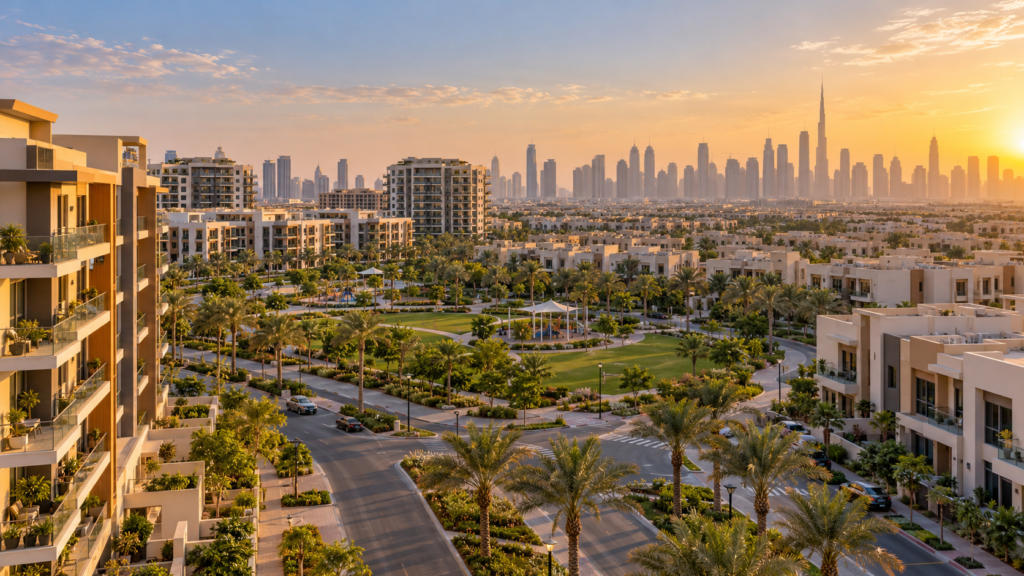
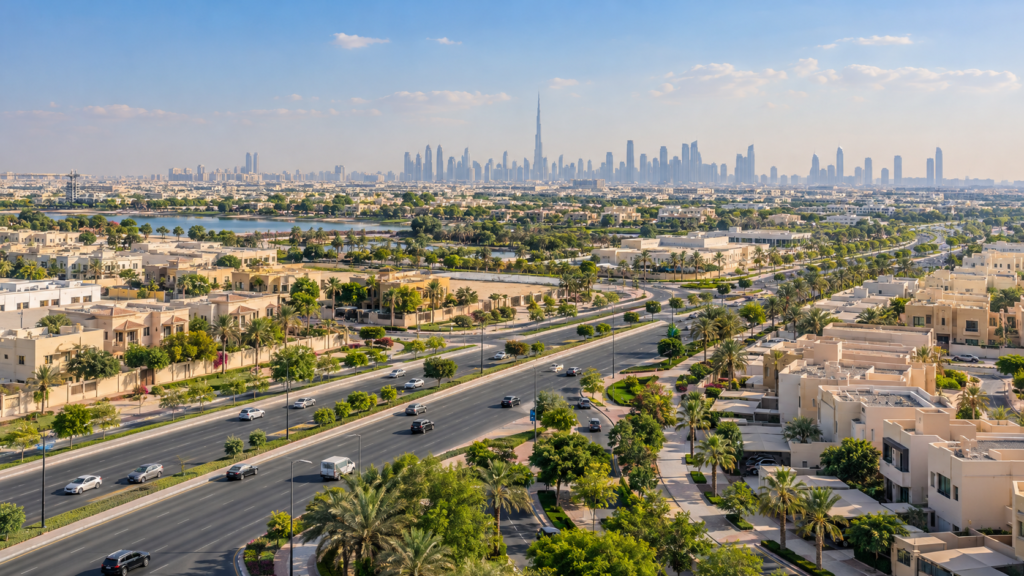
A Dubai city tour is one of the best ways to discover how Dubai has grown from a historic trading port into a modern city famous for its skyscrapers, waterfront communities, luxurious hotels and cultural attractions.
From the traditional souks of Deira and the wind-tower architecture of Al Fahidi to Burj Khalifa, Palm Jumeirah and Dubai Marina, Dubai offers two contrasting experiences: Old Dubai and New Dubai.
Whether you’re visiting for the first time, traveling with family or planning your own sightseeing route, this guide explains the best places to visit, popular city-tour itineraries, approximate prices, transportation options and essential visitor tips.
Quick answer: A typical half-day Dubai city tour takes around 4–5 hours and focuses on selected landmarks. A full-day tour generally requires 7–9 hours, depending on traffic, the route and attraction visits. You can explore independently using the Metro, taxis and traditional abra boats, or join an organized sightseeing tour.
Dubai City Tour: Quick Facts
| Travel information | Details |
|---|---|
| Destination | Dubai, United Arab Emirates |
| Best for | First-time visitors, families, couples and groups |
| Half-day tour | Approximately 4–5 hours |
| Full-day tour | Approximately 7–9 hours |
| Popular areas | Deira, Bur Dubai, Downtown, Jumeirah, Palm Jumeirah and Dubai Marina |
| Common attractions | Al Fahidi, Gold Souk, Dubai Frame, Burj Khalifa and Palm Jumeirah |
| Best sightseeing months | November–March |
| Transport | Metro, taxi, private vehicle, guided tour or abra |
| Starting guided-tour example | AED 180 for a published shared cultural tour |
| Self-guided option | Yes, with public transport and walking |
The guided-tour price is an example of a published product, not a universal rate. Attraction tickets and meals may be additional.
1. What Is a Dubai City Tour?
A Dubai city sightseeing tour is an organized or self-guided journey covering some of Dubai’s most important landmarks, historic areas and modern attractions.
Unlike a desert safari, which takes visitors outside the urban area, a city tour explores Dubai’s architecture, culture, shopping districts, waterfronts and famous tourist attractions.
Dubai city tours generally fall into three categories.
Half-Day Dubai City Tour
A half-day tour is suitable for visitors with limited time.
Most half-day itineraries include a selection of Old Dubai landmarks, traditional markets and several photo stops at modern attractions.
They usually do not include enough time to enter every major attraction.
Full-Day Dubai City Tour
A full-day tour offers a more comprehensive overview.
You may explore the historic Creek area in the morning and spend the afternoon visiting Downtown Dubai, Jumeirah, Palm Jumeirah or Dubai Marina.
However, Dubai is geographically spread out, so choosing too many stops can turn your day into a rushed driving itinerary.
Private Dubai City Tour
Private sightseeing tours offer greater flexibility in departure times, stops and pacing.
They can be particularly useful for families, older travelers and groups who prefer a customized itinerary.
A private vehicle does not necessarily include admission to ticketed attractions, so always check what the quoted price covers.
2. Best Places to Visit on a Dubai City Tour
Dubai has far more attractions than you can comfortably explore in a single day.
The following locations offer a balanced introduction to the city’s history, architecture and coastal scenery.
Al Fahidi Historical Neighbourhood
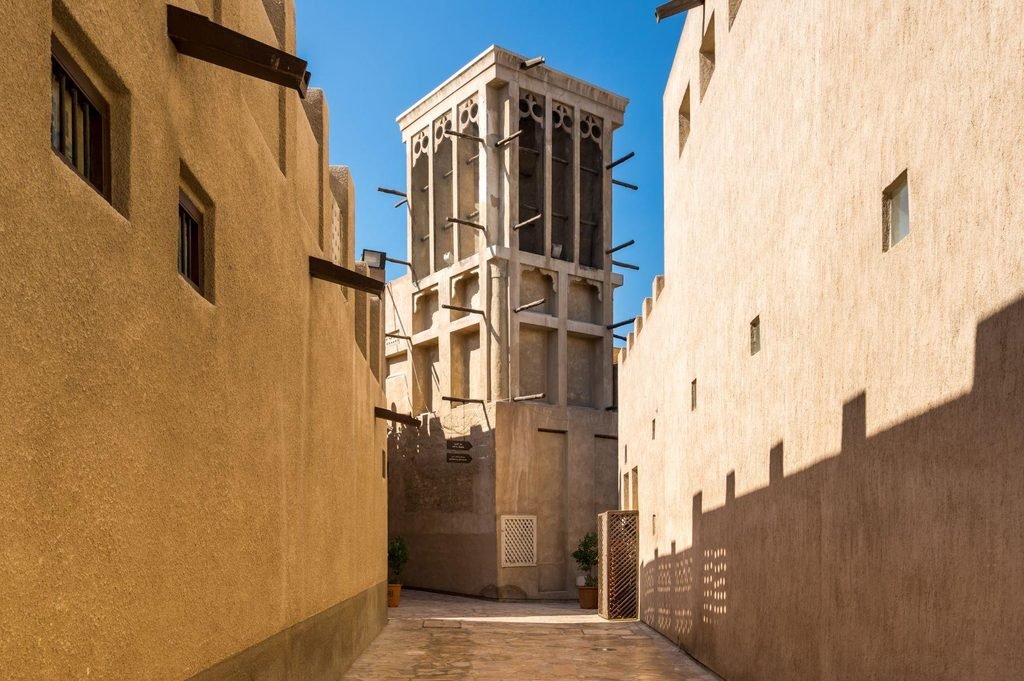
Located in Bur Dubai, Al Fahidi Historical Neighbourhood preserves elements of Dubai’s traditional urban architecture, including narrow streets, courtyard houses and wind towers.
Visitors can explore heritage buildings, cultural spaces, small galleries and traditional cafés.
It is an excellent starting point for travelers interested in understanding Dubai’s history before its modern development.
Recommended visit: 45–90 minutes, or longer for museums and cultural activities.
Combine Al Fahidi with a traditional abra crossing and a visit to Deira’s souks for an engaging Old Dubai itinerary.
Dubai Creek and Traditional Abra Ride
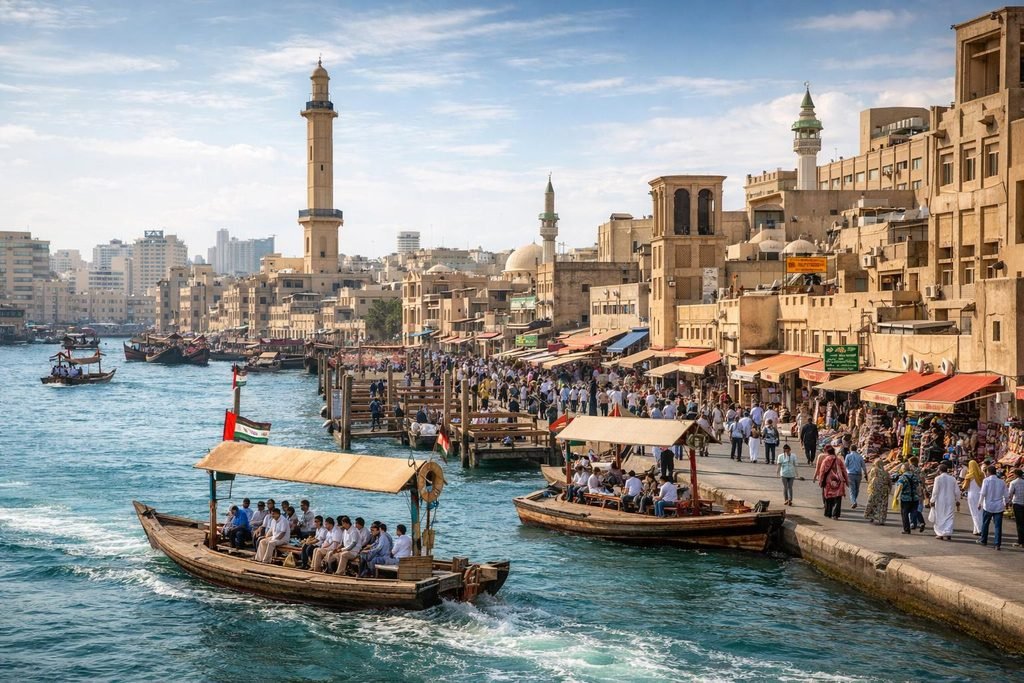
Dubai Creek played an important role in the development of Dubai’s trading communities.
Today, traditional abra boats still provide a practical and memorable way to cross between parts of Deira and Bur Dubai.
An abra ride across Dubai Creek is one of the most affordable sightseeing experiences in the city.
Selected traditional crossing routes are advertised by Dubai’s Roads and Transport Authority at AED 1 per passenger, while other services and routes may cost AED 2 or more.
The short journey offers views of waterfront buildings, trading activity and traditional boats.
Gold Souk and Spice Souk
Dubai’s traditional markets are among the most recognizable attractions in Deira.
The Gold Souk is known for jewelry retailers displaying gold, gemstones and decorative pieces, while the Spice Souk offers fragrances, herbs, spices and other traditional products.
Allow sufficient time for browsing, photography and walking between the markets.
Travel tip: Compare prices and understand the applicable gold rates and making charges before making expensive purchases.
Dubai Frame
Dubai Frame is a distinctive architectural landmark in Zabeel Park.
Its observation deck provides views toward historic neighbourhoods on one side and Dubai’s modern skyline on the other.
The experience also includes exhibits exploring the city’s past and future.
Because Dubai Frame requires an admission ticket, it is best treated as a planned attraction visit rather than a brief roadside photo stop.
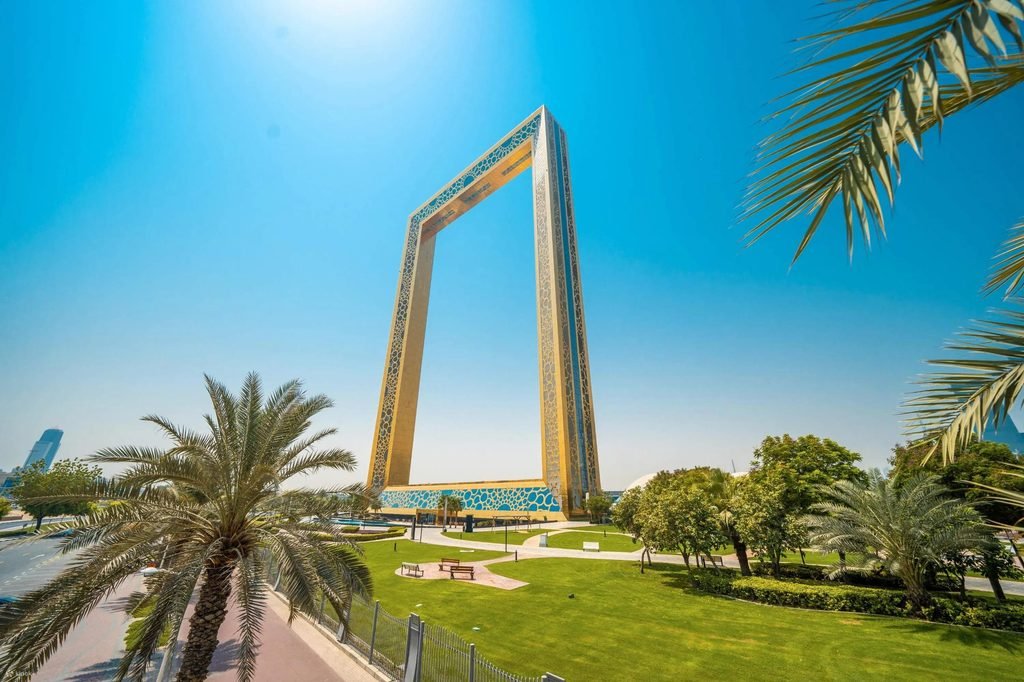
Read our Dubai Frame 2026 guide for admission details, Metro access, opening hours and visitor tips.
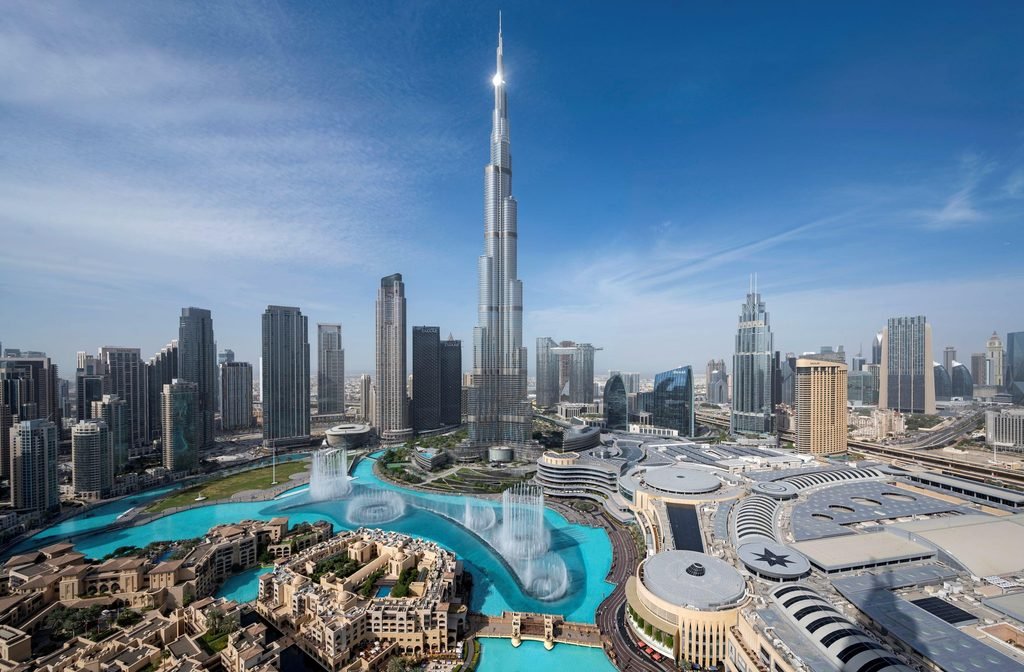
Burj Khalifa and Downtown Dubai
Burj Khalifa is Dubai’s most famous skyscraper and a major highlight of many city sightseeing routes.
Downtown Dubai also includes Dubai Mall, Burj Lake, hotels, restaurants and several pedestrian-friendly areas.
Visitors can enjoy street-level views of Burj Khalifa without purchasing an observation deck ticket.
However, entry to the building’s viewing experiences requires a separate reservation, with prices depending on the product and time slot.
For visitors interested in architectural photography, Downtown Dubai deserves considerably more than a five-minute stop.
Jumeirah and Burj Al Arab
Jumeirah is known for coastal scenery, residential neighbourhoods, mosques, hotels and famous landmarks.
Burj Al Arab is one of Dubai’s most recognizable buildings and a popular photography subject.
Most general city tours include an exterior photo opportunity rather than access to the hotel’s interior.
For better photographs, choose an appropriate public viewpoint and avoid blocking pedestrian access or restricted entrances.
Palm Jumeirah
Palm Jumeirah is a remarkable man-made island with residential communities, hotels, beaches and waterfront attractions.
Visitors often travel along the island’s trunk or crescent and enjoy views of Atlantis, The Palm.
One of the best ways to appreciate its distinctive layout is from an elevated observation point.
Our The View at The Palm guide explains observation-deck tickets, transport and what visitors can expect.
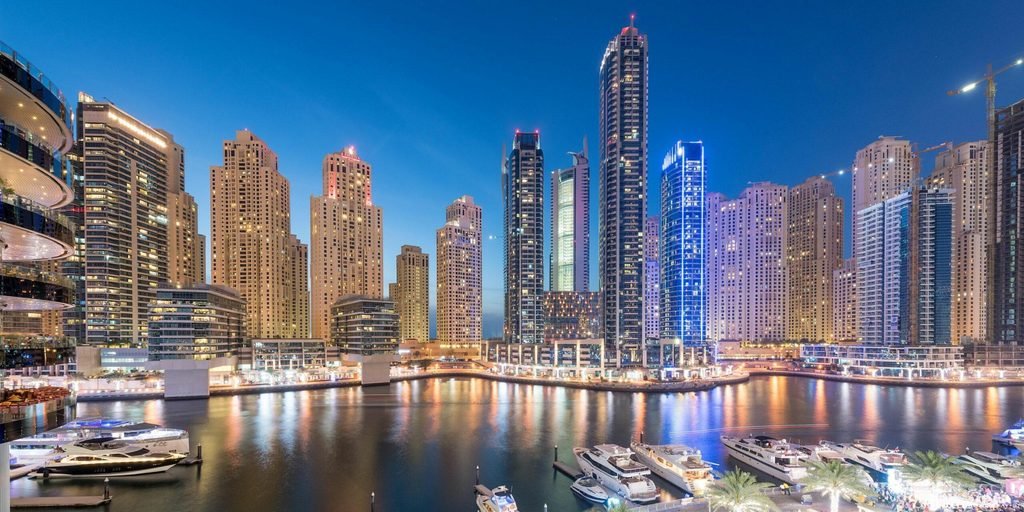
Dubai Marina and JBR
Dubai Marina is a modern waterfront community featuring residential towers, hotels, yachts, restaurants and pedestrian promenades.
Nearby Jumeirah Beach Residence, commonly called JBR, offers beaches, shopping and dining.
An evening visit is particularly appealing because the illuminated skyline creates a different atmosphere from daytime sightseeing.
You can combine a waterfront walk with dinner or an optional sightseeing cruise.
Museum of the Future
The Museum of the Future is one of Dubai’s most recognizable contemporary buildings.
Its distinctive architecture makes it a popular exterior photography location.
Important 2026 update: At the time of this guide’s review, the museum has announced a temporary closure, with reopening planned for the first quarter of 2027. Do not assume visitor admission is available without checking its official reopening information.
It can still be considered as a photography landmark, subject to any access restrictions around the property.
3. Half-Day Dubai City Tour Itinerary
This suggested half-day Dubai city tour itinerary prioritizes Old Dubai and cultural sightseeing.
| Approximate time | Suggested activity |
|---|---|
| 9:00 AM | Begin at Al Fahidi Historical Neighbourhood |
| 10:00 AM | Walk toward the historic Dubai Creek waterfront |
| 10:30 AM | Take a traditional abra crossing |
| 11:00 AM | Explore Deira Gold Souk and Spice Souk |
| 12:00 PM | Return toward Bur Dubai or stop for lunch |
| 1:00 PM | Finish the half-day experience |
The schedule is illustrative. Allow additional time for walking, cultural visits, photography and transport.
This route is ideal for travelers who prefer an authentic local experience over driving from one modern landmark to another.
4. Full-Day Dubai City Tour Itinerary
For first-time visitors who want a combination of history and modern attractions, I recommend the following route.
Morning: Discover Old Dubai
Begin at Al Fahidi Historical Neighbourhood before crossing Dubai Creek on an abra.
Explore the souks of Deira and enjoy a traditional breakfast or lunch.
Midday: Dubai Frame
Travel to Dubai Frame and allow time for the observation experience.
The surrounding Zabeel Park area also offers a different perspective on the city’s urban landscape.
Afternoon: Downtown Dubai
Continue to Downtown Dubai for Burj Khalifa, Dubai Mall and Burj Lake.
If you intend to visit an observation deck, reserve your preferred time rather than expecting to buy an immediately available ticket.
Evening: Dubai Marina
Finish the day with a walk around Dubai Marina or JBR, followed by dinner.
This schedule is fairly ambitious. A relaxed visitor may prefer to divide the itinerary across two days.
5. Dubai City Tour Prices in 2026
How much does a Dubai city tour cost? The answer depends on whether you explore independently, join a shared guided tour or arrange private transportation.
A self-guided route may only require public transport fares and optional attraction tickets.
Guided excursions charge for services such as transportation, driver time, guiding and hotel pickup.
Cost Comparison
| Tour option | How pricing works | Common inclusions |
|---|---|---|
| Self-guided sightseeing | Pay as you go | Public transport and your selected attractions |
| Shared half-day tour | Per-person tour rate | Selected transport, guide and photo stops |
| Full-day guided tour | Per-person or group rate | Longer sightseeing itinerary |
| Private city tour | Usually quoted per vehicle/group | Customized route and private transport |
| Premium private experience | Individually quoted | May include guide and upgraded arrangements |
As a concrete reference, a shared Traditional Dubai City Tour listed through Visit Dubai was advertised at AED 180 per adult, including hotel pickup and selected sightseeing activities.
That is one specific product, not the standard price of all Dubai city tours.
When comparing advertised packages, check whether the following are included: attraction admissions, meals, private transfers, a professional guide, boat rides, parking and waiting time.
6. How Much Does a Self-Guided City Tour Cost?
A self-guided Dubai tour can be significantly more flexible than a fixed organized itinerary.
One of the most useful options is the Dubai Metro.
According to Visit Dubai’s published standard Silver nol fare schedule, typical Metro fares are approximately:
| Journey category | Silver nol fare |
|---|---|
| One zone / qualifying short journey | AED 3 |
| Two zones | AED 5 |
| Three or more zones | AED 7.50 |
These fares are subject to revision. Some journeys also require taxis, buses, the Dubai Tram or other transport.
RTA’s standard Silver nol card has been listed at AED 25, including AED 19 of travel credit.
Unlike a day tour with a driver, public transport requires some walking and route planning, especially when visiting Palm Jumeirah and certain coastal landmarks.
See our Dubai travel guides and itineraries for additional ways to organize your visit.
7. Old Dubai vs New Dubai: Which Should You Visit?
| Old Dubai | New Dubai |
|---|---|
| Al Fahidi Historical Neighbourhood | Burj Khalifa and Downtown |
| Dubai Creek abra crossing | Dubai Marina waterfront |
| Gold and Spice Souks | Palm Jumeirah |
| Historic architecture | Contemporary skyscrapers |
| Traditional markets | Modern shopping and entertainment |
| Cultural exploration | Architecture and skyline photography |
My recommendation: First-time visitors should experience both. Old Dubai explains the city’s cultural and trading history, while New Dubai showcases its contemporary development.
If your schedule is limited to only a few hours, choose the district that most closely matches your interests rather than attempting to cross the entire city.
8. Best Time for Dubai City Sightseeing
November to March generally offers the most comfortable weather for outdoor sightseeing and walking tours.
During the warmer months, especially from May to September, plan more activities indoors and use air-conditioned transportation whenever practical.
Early morning is often better for exploring historic districts and open-air markets.
Late afternoon and evening are particularly appealing for waterfront promenades, Downtown Dubai and photography.
Peak tourist periods may also mean more visitors and longer queues at major attractions.
9. Is a Dubai City Tour Suitable for Families?
A Dubai sightseeing trip can work well for families, provided the itinerary does not involve excessive walking or frequent vehicle changes.
For families with young children, I suggest selecting fewer major stops and allowing more time for refreshments and rest.
Popular family-friendly possibilities include Dubai Frame, Dubai Mall, selected waterfront areas and age-appropriate attractions.
Stroller accessibility varies in older areas, especially around narrow walking routes, markets and traditional transport.
If you’re planning a larger family excursion, a private vehicle may be more comfortable than a multi-stop public transport itinerary.
10. Should You Book a Guided Tour or Explore Independently?
Choose a guided tour if you value organized transportation, local interpretation and an established route.
Choose a self-guided tour if you prefer flexibility, want to spend additional time at particular attractions and are comfortable using public transport.
A private tour offers a useful middle ground for families and small groups with specific sightseeing interests.
The best choice is not necessarily the most expensive one. It depends on how much time you have, how many places you want to visit and whether you prefer convenience or independence.
11. Common Dubai City Tour Mistakes to Avoid
- Planning too many attractions: Dubai is spread across a large urban area, and travel times can vary with traffic.
- Confusing photo stops with admission: Seeing Burj Al Arab or Burj Khalifa from outside does not mean a tour includes entry.
- Ignoring seasonal temperatures: Summer walking tours may be uncomfortable without adequate breaks.
- Assuming all museums are open: Check attraction status, particularly venues undergoing renovations or temporary closures.
- Not checking transport connections: Some attractions require taxis or additional transfers from the nearest Metro station.
- Underestimating Old Dubai: The historic areas offer cultural experiences that deserve more than a rushed visit.
12. Combine Your City Tour With Other Dubai Experiences
A city sightseeing excursion gives you an excellent introduction to Dubai, but some of the emirate’s most memorable experiences are beyond its urban landmarks.
For an outdoor adventure, read our Desert Safari Dubai 2026 guide to compare morning, evening and private safaris.
If you’d like to explore mountain scenery outside the city, our Hatta Dubai travel guide covers additional outdoor attractions and activities.
You can also browse the Tours & Activities collection for ideas as you build your Dubai itinerary.
13. Dubai City Tour FAQs
What is included in a Dubai city tour?
It depends on the provider. Guided tours may include transportation, a driver or guide, selected stops and hotel transfers. Attraction tickets, meals and optional activities may be charged separately.
How long is a Dubai city tour?
A half-day sightseeing tour commonly lasts around 4–5 hours. A fuller itinerary usually takes 7–9 hours, depending on the stops and traffic.
Can I explore Dubai without a tour guide?
Yes. Dubai has public transport, taxis and pedestrian-friendly districts that make self-guided sightseeing possible.
Is Dubai city tour worth it?
Yes, especially for first-time visitors who want to understand the city’s geography and see a mixture of historic and modern attractions.
Can I visit Old Dubai and Downtown on the same day?
Yes, but allow adequate time for travel. A well-planned itinerary can include both, although you may not have enough time to enter several ticketed attractions.
What should I wear on a Dubai city tour?
Choose comfortable clothing and walking shoes suitable for the weather. Respectful clothing is advisable when visiting religious or cultural locations, where additional rules may apply.
Is Dubai city tour suitable for children?
Yes. Most sightseeing routes can be adapted for families. Choose an itinerary with suitable transport, fewer stops and reasonable walking distances.
What is the cheapest way to tour Dubai?
A self-guided route using Metro services, walking and a traditional Dubai Creek abra can be an economical option. Admission to major attractions adds to the total cost.
Is a private city tour better than a shared tour?
Private tours usually offer more flexibility, while shared tours can provide an organized experience with a lower per-person cost.
What is the best place to start a Dubai city tour?
Al Fahidi is a good starting point for cultural exploration. Downtown Dubai is a convenient starting point if your priority is modern attractions.
Final Thoughts
A Dubai city tour offers much more than a collection of photo stops.
The city’s historic waterfront, modern architecture, traditional markets and lively neighbourhoods all tell different parts of Dubai’s story.
For most first-time visitors, the best itinerary combines Old Dubai’s cultural attractions with a carefully selected collection of modern landmarks.
Whether you explore independently or choose a guided experience, focus on meaningful visits rather than attempting to see everything in a single day.
For more sightseeing ideas, attraction guides and practical travel information, explore our Dubai Tours & Activities section.
Visitor information, admission policies, transport fares and operating hours can change. Verify important details before traveling.